Introduction
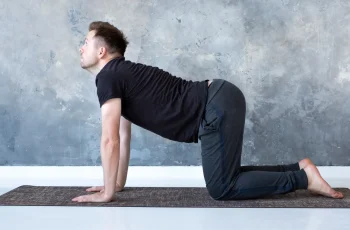
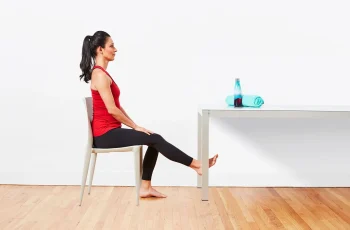
Rheumatoid arthritis (RA) is a chronic inflammatory condition that affects the joints, causing pain, stiffness, and swelling. The key to managing RA lies in maintaining joint mobility and reducing stiffness. One effective way to achieve this is through daily stretching. A well-structured daily stretching routine not only promotes flexibility but also alleviates pain, enhances circulation, and improves overall joint health.
This guide provides a comprehensive daily stretching schedule, including morning, noon, and evening routines, tailored specifically for individuals with RA. By following this schedule, you can improve your mobility, reduce morning stiffness, and manage your symptoms throughout the day.

Key Takeaways:
- A complete daily stretching schedule designed for RA
- Effective morning, noon, and evening routines
- Tips to ensure consistency in your routine
- Adaptation strategies during flare-ups
- Ways to track your progress
Understanding the Daily Stretching Schedule for RA
Rheumatoid arthritis symptoms fluctuate throughout the day, and how you approach your stretching can vary depending on the time. By understanding the impact of RA on your joints at different times of the day, you can adapt your routine to optimize results. Below, we explore a well-rounded approach to stretching, broken down by time of day.
Morning Routine (15-20 minutes)
The morning is a crucial time to focus on stretching. After a night of rest, your body tends to feel stiff and the joints can be especially rigid. A gentle morning stretch routine can help ease the stiffness and prepare your body for the day ahead.
1. Gentle Wake-up Stretches (5 minutes)
Proper Form:
- Bed stretches: Start your day by gently stretching your arms and legs while still lying in bed. This can help gradually loosen up tight muscles and joints.
- Ankle circles: Perform slow, controlled circles with your ankles to increase blood flow and mobility.
- Knee bends: Gently bend and straighten your knees to engage the lower body.
- Hip rotations: Move your hips in circular motions to help ease tension in the pelvis area.
- Shoulder rolls: Gently roll your shoulders forward and backward to loosen up the upper body.
- Neck stretches: Slowly tilt your head side to side, forward and backward, to relieve neck stiffness.
Safety Tips:
- Start slowly to avoid sudden strain.
- Keep movements gentle and controlled.
- Breathe deeply throughout each stretch.
- Stop if any movement causes pain or discomfort.
- You can stay in bed longer if needed, as long as you remain comfortable.
2. Morning Mobility (10 minutes)
Proper Form:
- Standing stretches: Once you are out of bed, focus on simple standing stretches such as reaching overhead and bending to each side.
- Arm circles: Perform small, controlled arm circles to improve shoulder mobility.
- Hip circles: Stand with your hands on your hips and rotate your hips in circular motions.
- Ankle pumps: Point and flex your toes to activate your calf muscles.
- Shoulder rolls: Revisit shoulder rolls to ease any tension in the upper back.
- Neck rotations: Gently turn your neck side to side to alleviate stiffness.
Safety Tips:
- Use a wall or chair for support if needed.
- Move slowly and listen to your body.
- Focus on form rather than speed to prevent injury.
3. Cool-down (5 minutes)
Proper Form:
- Deep breathing: Take a few moments to focus on deep breathing to calm the body and reduce any tension.
- Gentle shaking: Shake your hands and legs gently to encourage blood flow.
- Relaxation stretches: End your morning routine with calming stretches, focusing on the areas that feel tightest.
- Mindful movement: Focus on being present and aware of your body during this time.
Safety Tips:
- Remain relaxed and calm throughout your cool-down.
- Take your time, and avoid rushing the process.
- Stay focused on your breathing to promote relaxation.
Noon Routine (10-15 minutes)
By midday, your body is generally warmer and more flexible, making it an ideal time for a quick stretch to re-energize and alleviate any midday stiffness.
1. Mid-day Warm-up (5 minutes)
Proper Form:
- Seated stretches: Sit in a comfortable chair and perform stretches such as neck rolls, shoulder shrugs, and wrist circles.
- Ankle pumps: While seated, pump your ankles to keep the circulation flowing in your lower legs.
- Hip rotations: Perform small circles with your hips to prevent stiffness.
Safety Tips:
- Find a quiet and comfortable space.
- Use a chair or cushion for support if needed.
- Stay relaxed and take breaks as needed.
2. Energy Boost (5 minutes)
Proper Form:
- Standing stretches: Perform stretches like side bends, forward folds, and back stretches to release any tension in the spine and hips.
- Hip stretches: Gently stretch the hip flexors and glutes to maintain lower body flexibility.
- Leg swings: Stand next to a wall or chair and gently swing one leg forward and backward to activate your legs.
Safety Tips:
- Use support to ensure balance during standing stretches.
- Avoid over-stretching. Focus on gentle movements that feel good.
- Listen to your body—move within your comfort zone.
3. Quick Cool-down (5 minutes)
Proper Form:
- Deep breathing: Take slow, deliberate breaths to promote relaxation.
- Gentle shaking: Gently shake your arms and legs to release any tension.
- Relaxation stretches: End with simple stretches that calm the mind and body.
- Positive thoughts: Focus on positive affirmations to refresh your energy.
Safety Tips:
- Stay focused on your breath to calm your nervous system.
- Move slowly and gently through your stretches.
Evening Routine (15-20 minutes)
The evening is an important time to unwind and prepare your body for rest. A gentle stretching session can help alleviate any tension accumulated throughout the day, ensuring you get a better night’s sleep.
1. Evening Warm-up (5 minutes)
Proper Form:
- Seated stretches: Start in a comfortable seated position, and perform neck rolls, shoulder rolls, and gentle arm circles.
- Hip circles: Rotate your hips in a slow, controlled manner to loosen the lower body.
- Ankle pumps: Engage your calves and feet with gentle ankle pumps.
Safety Tips:
- Choose a quiet, relaxing space to stretch.
- Use support as needed for comfort and balance.
- Move slowly and consciously.
2. Relaxation Stretches (10 minutes)
Proper Form:
- Forward folds: Gently fold forward to stretch the lower back, hamstrings, and hips.
- Side stretches: Reach one arm overhead while tilting your body to each side.
- Back stretches: Use gentle backbends or twists to release any tension in your spine.
- Hip and leg stretches: Stretch the lower body to release tightness in the hips and legs.
Safety Tips:
- Move slowly and stay within your comfort zone.
- Use pillows or cushions for support if necessary.
- Focus on maintaining a relaxed state of mind.
3. Bedtime Cool-down (5 minutes)
Proper Form:
- Deep breathing: Engage in slow, deep breathing to relax both the body and mind.
- Gentle shaking: Lightly shake your body to release any remaining tension.
- Mindful movement: End with gentle, flowing movements, focusing on comfort and relaxation.
Safety Tips:
- Stay relaxed and breathe deeply.
- End the routine slowly to prepare for a restful night.
Adapting Your Schedule: Tips for Flare-ups
During flare-ups, it is crucial to modify your stretching routine to avoid aggravating your symptoms. Below are some tips to help you adapt:
- Reduce intensity: Focus on very gentle, passive stretches.
- Increase rest periods: Allow your body more time to rest between stretches.
- Use heat therapy: Apply heat to stiff joints before stretching to loosen them up.
- Consult your healthcare provider: If flare-ups persist, it’s important to speak with your healthcare provider before continuing your stretching routine.
Progress Tracking: Monitoring Your Journey
It’s essential to track your progress over time to gauge the effectiveness of your stretching routine. Here are some things to monitor:
- Pain levels: Track how pain fluctuates before and after stretching.
- Stiffness: Monitor joint stiffness, especially in the morning.
- Mobility: Record any improvements in joint movement and flexibility.
- Energy levels: Assess how your energy improves after stretching.
- Overall well-being: Keep a journal of how your general health is affected by stretching.
How to Track:
- Use a journal to note any changes in your symptoms.
- Try using apps designed for RA management to track progress.
- Take progress photos or videos to visually document improvements.
Frequently Asked Questions
How long should each session be?
- Morning: 15-20 minutes
- Noon: 10-15 minutes
- Evening: 15-20 minutes
Adjust based on how you feel and your schedule.
What if I miss a session?
Occasionally missing a session is okay. The key is consistency over time, not perfection.
How do I know if I’m doing too much?
Listen to your body. If you experience pain, swelling, or fatigue, it may be a sign to reduce intensity or duration.
Can I modify the schedule as I improve?
Yes! Regularly reassess your routine based on your progress and comfort level.
Conclusion
Incorporating gentle stretches into your daily routine can significantly improve the quality of life for individuals with rheumatoid arthritis. Consistency is key, but it’s important to adapt the routine based on your symptoms and any changes in your health. Always listen to your body, and don’t hesitate to consult a healthcare professional if needed. By following this comprehensive daily stretching schedule, you can improve joint mobility, reduce stiffness, and enhance overall well-being.