Rheumatoid arthritis (RA) is a chronic autoimmune condition that primarily affects joint health, causing symptoms such as inflammation, pain, and particularly troublesome morning stiffness. A carefully designed morning stretch routine can be a powerful tool for managing these symptoms and improving overall quality of life. This guide explores the top seven benefits that gentle morning stretches can provide to people with RA, explaining how incorporating these stretches into your daily morning routine can ease symptoms and promote long-term joint health.
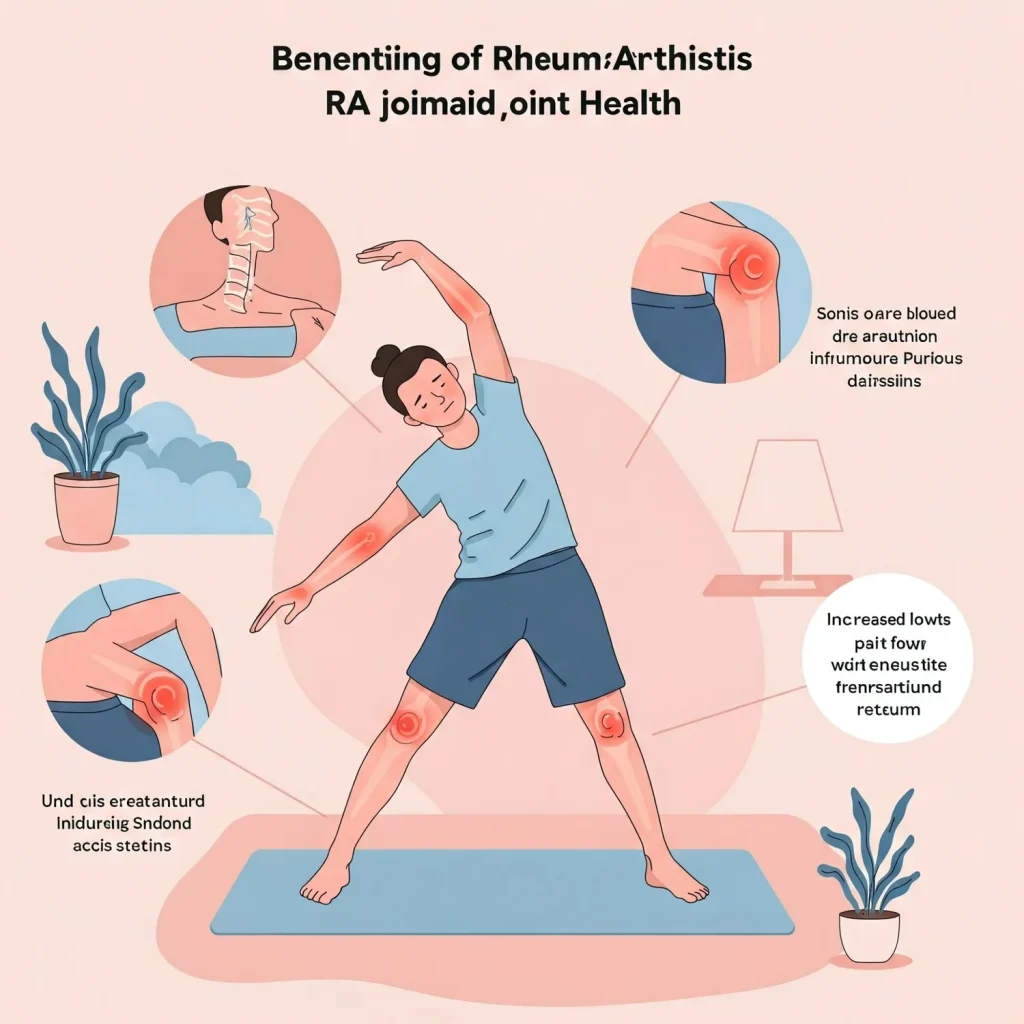
1. Reduced Morning Stiffness
One of the most immediate and noticeable benefits of stretching in the morning is a reduction in joint stiffness. RA often leads to intense stiffness after waking, making initial movements difficult and painful. Morning stretches help break up this stiffness by gently warming up the joints, increasing blood flow, and improving joint mobility. These movements prepare the body for the day ahead, reducing discomfort and allowing for smoother transitions from rest to activity. Starting gently and moving slowly within a comfortable range, accompanied by deep breathing, can maximize this benefit without overstraining sensitive joints.
2. Improved Joint Flexibility and Range of Motion
Regular stretching exercises enhance joint flexibility by gradually increasing the range of motion. For individuals with RA, this means easier movement, less pain during everyday activities, and improved joint function. Maintaining or improving flexibility helps with daily tasks such as dressing, grooming, and household chores, fostering greater independence. Additionally, improved flexibility supports better posture and reduces excessive joint wear and tear, which can contribute to the progression of RA symptoms.
3. Enhanced Circulation and Reduced Inflammation
Gentle morning stretching stimulates blood circulation, which is vital for reducing inflammation and promoting healing in affected joints. Better circulation delivers oxygen and nutrients essential for tissue repair while helping remove metabolic waste that can exacerbate inflammation. Increased blood flow also boosts energy levels and contributes to an improved mood, both beneficial for coping with the chronic nature of RA. Over time, enhanced circulation through consistent stretching may help slow disease progression and reduce the risk of complications.
4. Effective Pain Management
Pain is a constant challenge for RA sufferers, especially in the morning. Incorporating gentle stretches as part of a daily routine can reduce pain by loosening tight muscles and stiff joints, leading to improved mobility and decreased discomfort. Pain management through stretching supports overall function and quality of life, allowing individuals to engage more actively in personal and social activities. For the best results, stretches should be performed with attention to proper form, gentle movements, and consistency, avoiding any overexertion that might worsen symptoms.
5. Increased Energy and Vitality
Starting the day with stretching exercises can significantly boost energy levels for people with RA. When joints are looser and pain is diminished, movement becomes easier, reducing feelings of fatigue that commonly accompany this condition. Enhanced energy supports better focus, productivity, and motivation throughout the day. These benefits contribute to leading a more active lifestyle, which is crucial for overall health, including cardiovascular fitness and mental well-being.
6. Improved Sleep Quality
A regular morning stretching routine can positively impact sleep quality among RA patients. By reducing pain and discomfort during the day, these stretches help lessen nighttime symptoms, promote relaxation, and ease the transition into restful sleep. Good sleep is essential for recovery and managing inflammation, and better sleep quality can lead to easier mornings, creating a positive cycle of symptom management.
7. Enhanced Overall Well-Being and Mental Health
Beyond physical benefits, morning stretches contribute to emotional and psychological well-being. Engaging in a regular routine can reduce stress levels, enhance mood, and build confidence as individuals regain control over their bodies. Improved well-being supports better social interactions, independence, and outlook on life, helping people with RA maintain a satisfying and active lifestyle despite the challenges posed by the disease.
Implementing a Successful Morning Stretch Routine
Getting Started
For those new to morning stretching, it is important to start slowly and focus on gentle movements that respect the body’s limits. Building consistency and tracking progress can motivate sustained practice. Setting reminders or associating the routine with other morning habits (like brushing teeth) helps to create a lasting habit.
Maintaining Consistency
Consistency is key to reaping the full benefits of stretching. Setting realistic goals, staying patient through flare-ups or plateaus, and adjusting exercises as flexibility or symptoms change will support long-term success. Consult healthcare providers or physical therapists to tailor routines optimally for individual needs.
In summary, a gentle, consistent morning stretch routine offers numerous advantages for people living with rheumatoid arthritis, from reducing morning stiffness and pain to improving energy and overall wellness. Incorporating these stretches into daily life can greatly enhance joint health and quality of life, providing a natural, accessible way to manage RA symptoms and maintain mobility.