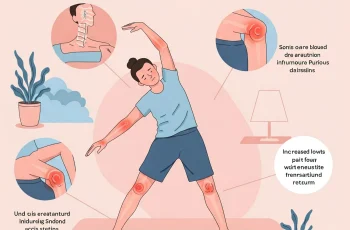
For people living with rheumatoid arthritis (RA), a cautious yet consistent approach to morning stretches can significantly improve joint health, ease stiffness, and enhance mobility. However, practicing safe stretching techniques is essential to protect joints from injury and manage symptoms effectively. This guide outlines crucial dos and don’ts to help incorporate gentle morning stretches safely into daily routines for RA patients.

Understanding Safe Gentle Stretching for RA
RA inflames joints and causes stiffness that is typically worst in the morning. Gentle stretching helps warm up the joints, increase blood flow, and improve flexibility, but improper technique or overexertion can exacerbate symptoms. The key to safe stretching is listening to your body, progressing gradually, and maintaining proper form. Before beginning, warming up the muscles and joints is critical to reduce injury risk and maximize benefits.
Essential Dos and Don’ts for Safe Stretching
1. Proper Warm-up
Do:
- Begin with gentle movements like slow joint rotations or walking in place to activate muscles.
- Use heat therapy before stretching—such as a warm shower, heating pad, or hot pack—to relax stiff joints.
- Take deep breaths to promote relaxation.
- Progress gradually into stretching, allowing your body to adjust.
Don’t:
- Skip warming up as stretching cold muscles or joints can cause injury.
- Rush into stretching or force sudden movements.
- Ignore pain signals that indicate overexertion.
2. Stretching Technique
Do:
- Move slowly and with control, avoiding rapid or jerky motions.
- Stay within your comfort range—stretch to a gentle tension, never sharp pain.
- Use proper posture and form to protect joints.
- Breathe deeply and steadily throughout each stretch.
- Listen carefully to your body for cues to ease or stop.
Don’t:
- Bounce, jerk, or overstretch joints, which can worsen inflammation.
- Hold your breath as it may increase tension and reduce oxygen flow.
- Push through pain or swelling—pain is a warning sign.
- Overstretch beyond comfortable limits.
3. Timing and Frequency
Do:
- Stretch after warming muscles, ideally following a warm shower or bath.
- Wait until morning stiffness decreases slightly before stretching.
- Take medications as prescribed to help reduce inflammation and pain.
- Maintain a consistent daily routine to build flexibility over time.
- Adjust your routine during flare-ups by reducing intensity or duration.
Don’t:
- Stretch aggressively during active RA flare-ups.
- Skip rest days needed for recovery.
- Overdo stretching sessions or ignore fatigue signs.
- Push through pain or joint discomfort.
Implementation Strategies for Consistency and Safety
Getting Started
- Start slowly, focusing on gentle movements and correct form.
- Track your progress and adjust stretches based on how your joints feel.
- Use reminders to build a regular morning stretch habit.
- Find an accountability partner or support group to stay motivated.
Maintaining Safety
- Set realistic goals that prioritize joint health over intensity.
- Be patient—progress might be gradual, especially during flare periods.
- Adjust your routine as symptoms fluctuate, focusing on comfort.
- Consider consulting a physical therapist for personalized stretching guidance.
Monitoring Progress
Track these key factors to ensure safe, effective practice:
- Pain levels and patterns
- Degree of morning stiffness
- Range of motion improvements
- Energy and overall well-being
Use journals, apps, or videos to monitor and celebrate progress.
Adapting Your Stretching Routine
Modify stretches and intensity as needed by:
- Reducing stretch duration or intensity when in pain.
- Focusing on gentler, less demanding movements during flare-ups.
- Using supports like pillows, rolled towels, or chairs for stability.
- Increasing rest periods or combining stretches with other low-impact activities like swimming or tai chi.
Always follow the safety rule: never force a movement and stop if sharp pain occurs.
Frequently Asked Questions
How long until I see improvements?
Most individuals notice some relief within 2 to 4 weeks of consistent, proper stretching, though results vary by person and disease severity.
What if I feel pain during stretches?
Stop immediately, rest the joint, and apply ice if swelling occurs. Consult a healthcare provider if pain persists.
Can I modify stretches for my needs?
Absolutely. Adjust intensity, range, and duration based on comfort and symptom fluctuations.
How often should I stretch?
Aim for daily practice, but during flare-ups reduce frequency or intensity to avoid aggravation.
Conclusion
Practicing gentle morning stretches correctly and safely is essential for managing rheumatoid arthritis symptoms and protecting joint health. Following explicit dos and don’ts helps prevent injury while maximizing the benefits of increased mobility and pain relief. Consistency, listening to the body, and adapting routines as needed foster improved daily function and overall well-being in RA patients.