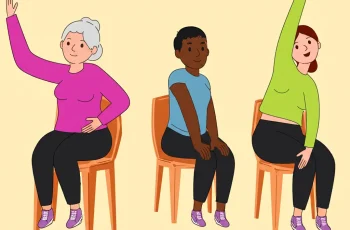
Managing rheumatoid arthritis (RA) flare-ups requires special care, especially when it comes to physical activity such as morning stretches. These flare-ups intensify joint pain and stiffness, making it essential to adapt stretching routines to prioritize safety, comfort, and effectiveness. This guide provides detailed information on gentle stretching techniques designed specifically for RA flare-ups, alongside practical strategies for managing pain and promoting joint mobility.
Understanding RA Flare-Ups
RA flare-ups involve increased inflammation in the joints, leading to heightened pain, swelling, and stiffness. During these periods, physical activity may feel challenging or painful. Therefore, it is important to listen closely to your body, avoid pushing beyond comfort, and modify stretches to protect vulnerable joints. Exercise remains beneficial for maintaining mobility, but it must be approached with gentleness and care to avoid further irritation.
Safe Stretching During Flare-Ups
1. Gentle Warm-Up
Before beginning any stretches, start with a gentle warm-up to prepare your joints and muscles. Techniques such as deep breathing, very light joint movements, and gentle self-massage can ease stiffness. Applying heat through warm towels or heating pads also helps relax tight muscles and inflamed joints, making stretches both safer and more effective.
2. Modified Stretching Techniques
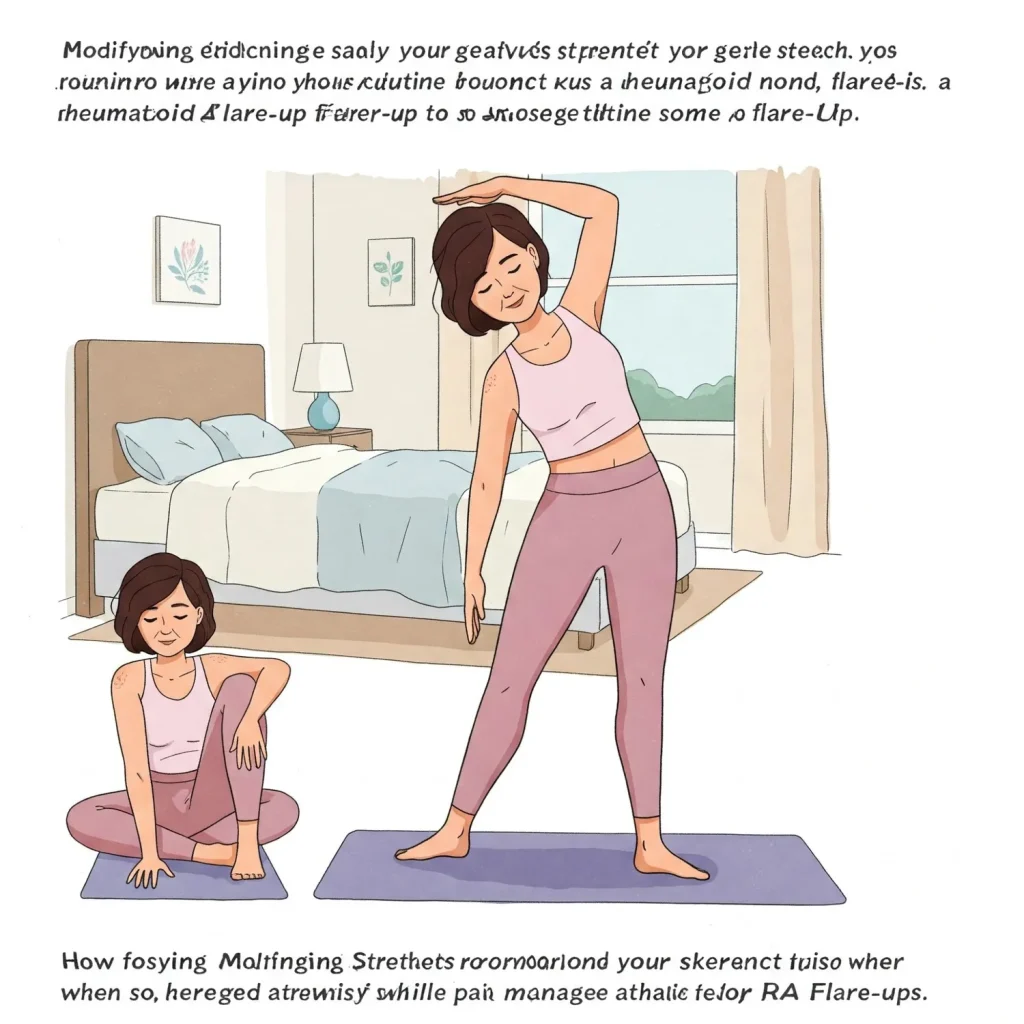
During flare-ups, traditional stretching exercises should be adapted to be less intense. Passive stretches, where a limb is gently moved without exertion from the patient, are often more comfortable. Incorporating range of motion exercises helps maintain joint flexibility within a pain-free range. Relaxation and breathing exercises can reduce muscle tension, while water-based exercises offer gentle resistance and support.
3. Maintaining Proper Form
Proper posture and controlled movements are essential to maximize the benefits of stretching while minimizing risk. Keep your back straight, engage your core muscles to support your spine, and maintain a balanced stance. Smooth, slow motions along with relaxed, deep breathing help ease tension and improve circulation.
Adaptation Strategies for Flare-Up Stretching
General Modifications
- Reduce Intensity: Lower the stretch force to avoid straining sensitive joints.
- Shorten Duration: Hold stretches for shorter periods if needed.
- Use Support: Props such as chairs, cushions, or straps can provide stability and prevent overextension.
- Increase Rest: Allow longer recovery between stretches to avoid fatigue.
Specific Considerations for Joint Protection
- Avoid overextending joints beyond their comfortable range.
- Use supports or braces for weaker joints to prevent injury.
- Modify movements daily based on current pain and stiffness levels.
Monitoring Progress
Track various factors such as pain intensity, stiffness, mobility improvements, energy, and overall well-being. Use a journal, apps, or even photos/videos to document how your body reacts to different stretches. This information can guide gradual routine adjustments to better suit your needs over time.
Implementation Guide for Daily Practice
Getting Started
Begin with a slow, focused approach emphasizing correct form rather than intensity. Consistency is more important than duration or difficulty in building a safe, effective stretching habit.
Building Habits
Set daily reminders to encourage routine practice. Establish accountability by sharing goals with family or friends. Celebrate small improvements to maintain motivation.
Maintaining Safety
Always set realistic goals tailored to your current condition. Regularly re-assess progress and adjust your routines accordingly. Patience is key during setbacks or increased symptom days.
Common Challenges and Solutions
- Morning Stiffness: Start with very gentle warm-ups.
- Time Constraints: Short, focused sessions are better than skipping altogether.
- Motivation: Use reminders, rewards, and support to stay engaged.
- Flare-Ups: Scale back intensity and frequency as needed.
- Progress Plateaus: Introduce slight variations and monitor response.
Frequently Asked Questions
How can I tell if I’m stretching safely during a flare-up?
If the stretch feels comfortable and does not increase pain, it is safe. Stop immediately if you experience pain or discomfort.
What should I do if I feel pain while stretching?
Stop the stretch at once. Apply ice to the affected area if swelling occurs, rest, and consult your healthcare provider if pain persists.
Can I adjust stretches for my needs?
Yes, stretches should be personalized based on pain levels, mobility, and comfort. Adjust duration, intensity, and type accordingly.
How often should I stretch during a flare-up?
Aim for daily stretching, but listen to your body closely. Reduce frequency or intensity during severe flare-ups and gradually increase as symptoms improve.
Conclusion
Effectively managing rheumatoid arthritis flare-ups with gentle morning stretches involves a careful balance of safety, patience, and consistency. By incorporating modified stretching techniques, respecting your body’s signals, and tracking your progress, you can support joint health and enhance mobility even during challenging times. For further guidance, explore related resources on tailored stretching schedules and additional RA-friendly exercises. Begin your journey toward improved joint health today by integrating these gentle stretches into your morning routine, and share your experiences to encourage others.