Introduction
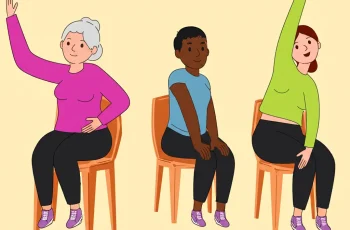
Starting your morning stretch routine with proper warm-up moves is essential for people living with rheumatoid arthritis (RA). RA can cause joint pain, stiffness, and reduced mobility, so preparing your joints carefully at the start of the day helps improve flexibility and decrease discomfort. This guide provides five gentle warm-up exercises specifically designed to prepare your joints safely and effectively for stretching.
Key Takeaways:
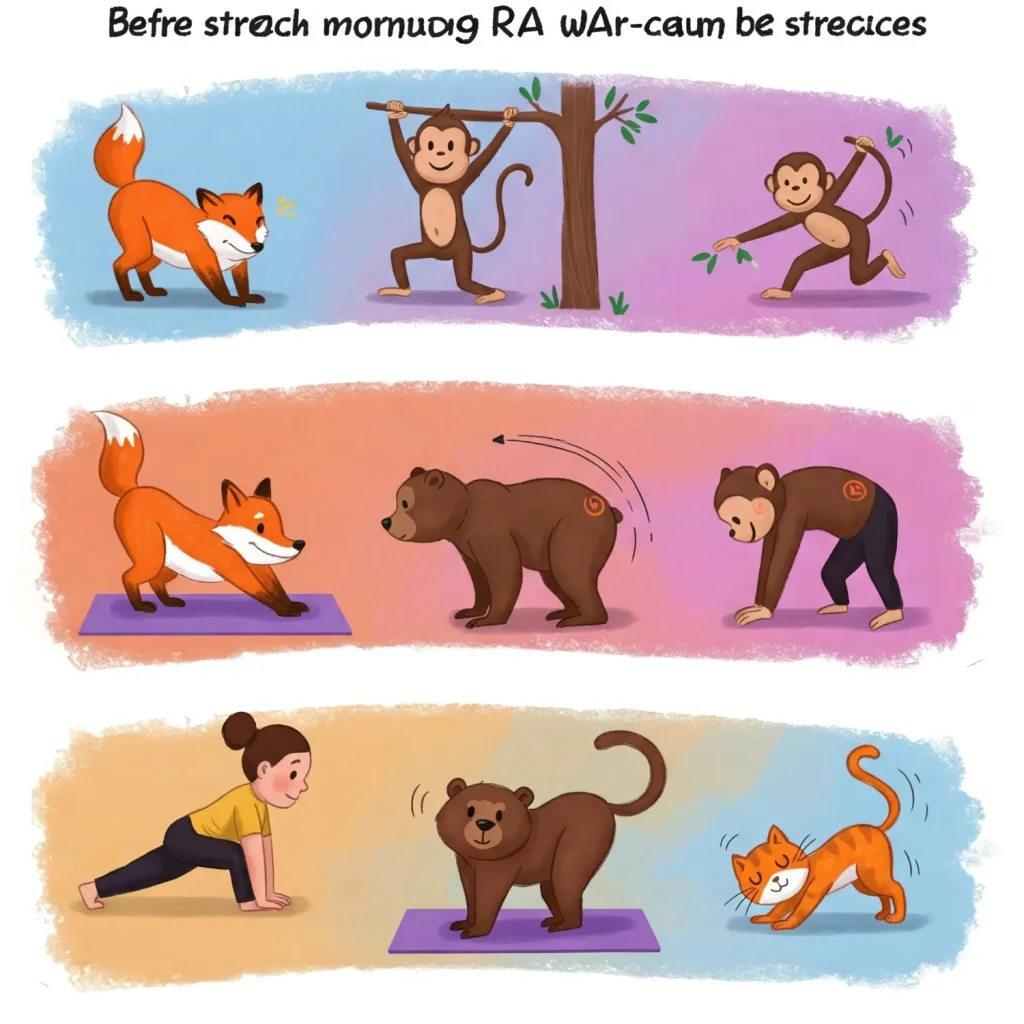
- 5 essential warm-up moves tailored for RA
- Safe techniques to avoid joint injury
- Focus on joint preparation and mobility
- Strategies for injury prevention
- Tips for monitoring progress and adapting
Understanding Warm-up Moves
Understanding the principles behind warm-up moves is critical before beginning your routine. Warm-ups increase blood flow to joints and muscles, making movement smoother and reducing stiffness throughout the day. For rheumatoid arthritis patients, warm-ups must be gentle and slow to avoid flare-ups or exacerbation of symptoms. Consider starting with very small movements and increasing range as comfort allows.
The 5 Essential Warm-up Moves
1. Gentle Neck Rolls
Proper Form:
- Start sitting or standing comfortably with your back straight.
- Relax your shoulders, breathe deeply, and maintain balance.
- Slowly tilt your head forward, then roll it gently in small circular motions.
- Move both clockwise and counterclockwise.
- Repeat 3 times in each direction.
Safety Tips:
- Move slowly and with control to avoid strain.
- Focus on correct form.
- Listen to your body’s signals and stop if any pain occurs.
- Progress gradually over days and weeks.
2. Shoulder Circles
Proper Form:
- Sit or stand with a straight back.
- Relax your arms at your sides and breathe deeply.
- Roll your shoulders forward in small, controlled circles.
- Then reverse direction after 5 repetitions.
- Repeat a total of 5 times in each direction.
Safety Tips:
- Begin slowly and stay within your comfort zone.
- Use proper posture.
- If you feel any pain, stop immediately.
3. Wrist and Ankle Circles
Wrist Circles:
- Extend your arms forward.
- Rotate your wrists gently, making small circles.
- Move clockwise and counterclockwise.
- Repeat 5 times in each direction.
Ankle Circles:
- Sit comfortably and lift one foot off the floor.
- Rotate your ankle in small circles, both directions.
- Repeat 5 times, then switch feet.
Safety Tips:
- Perform movements slowly and mindfully.
- Maintain control and focus on your form.
- Stop if you experience discomfort.
4. Gentle Hip Circles
Proper Form:
- Stand with a straight back, holding onto a chair or stable surface for balance.
- Breathe deeply and maintain steady posture.
- Move your hips gently in small circular motions.
- Move clockwise and counterclockwise.
- Repeat 5 times each way.
Safety Tips:
- Begin gently, keeping the movement within your comfort range.
- Use support as needed.
- Stop if any pain is felt.
5. Deep Breathing with Arm Raises
Proper Form:
- Sit or stand with your back straight and shoulders relaxed.
- Inhale deeply while slowly raising your arms overhead.
- Exhale fully while lowering your arms back down.
- Repeat this breathing and arm-raising sequence 5 times.
Safety Tips:
- Move slowly and with awareness.
- Keep movements controlled.
- Focus on deep, rhythmic breathing.
- Progress gradually.
Implementation Guide
1. Getting Started
First Steps:
- Start your routine slowly and with attention to form.
- Consistency is key; aim for daily practice, even if short.
- Track your progress to recognize improvements.
- Adjust the routine as needed based on your symptoms.
Building Habits:
- Use reminders or alarms to set a regular schedule.
- Create a pleasant environment to boost motivation.
- Find support through friends, family, or support groups.
- Celebrate your progress, even small gains.
- Remain flexible to adapt exercises during flare-ups.
2. Maintaining Safety
Safety Tips:
- Set achievable goals to avoid overexertion.
- Monitor how your body responds after each session.
- Stay motivated by focusing on benefits like reduced stiffness.
- Be patient; improvements may take time.
- Modify exercises as necessary to stay within safe limits.
Common Challenges:
- Morning stiffness may make starting difficult; be gentle.
- Time constraints sometimes reduce routine adherence.
- Motivation can fluctuate; find ways to keep engaged.
- Flare-ups may require pausing or reducing intensity.
- Progress plateaus are normal; adjust your routine or seek advice.
Progress Monitoring
1. What to Track
- Pain levels before and after exercises.
- Degree of stiffness in joints.
- Improvement in mobility and range of motion.
- Energy levels throughout the day.
- Overall sense of well-being.
How to Monitor:
- Keep a journal or diary of your symptoms and exercises.
- Use mobile apps designed for RA symptom tracking.
- Take periodic photos or videos of yourself doing the routine.
- Note any improvements or setbacks to inform adjustments.
2. Adaptation Strategies
Key Changes:
- Reduce exercise intensity on difficult days.
- Decrease the duration of warm-up moves if needed.
- Focus on gentler movements during flare-ups.
- Increase rest periods between exercises.
- Use supportive tools like chairs or braces as required.
Safety Rules:
- Never force any movement that causes pain.
- Stop exercises immediately if symptoms worsen.
- Always stay within your movement limits.
- Seek medical advice if unsure about any symptoms.
Frequently Asked Questions
Q: How long should I spend on each warm-up move?
A: Aim for about 1 to 2 minutes per move, adjusting based on your comfort level and daily physical condition.
Q: What if I feel pain during any of these moves?
A: Stop immediately, apply cold compresses if swelling occurs, rest, and consult a healthcare professional if pain persists.
Q: Can I modify these warm-up moves for my needs?
A: Yes, you can adjust the duration and intensity to fit your comfort and symptoms.
Q: How do I know if I am doing the moves correctly?
A: Proper warm-up moves should feel comfortable and beneficial, with joints feeling warmer and less stiff afterward.
Conclusion
Incorporating these 5 gentle warm-up moves into your morning stretch routine can significantly improve joint mobility, reduce stiffness, and help manage rheumatoid arthritis symptoms effectively. Being patient and consistent while prioritizing safety will maximize benefits and help you maintain better joint health. For more comprehensive strategies on RA management, explore resources on warming up, daily stretching schedules, and additional exercises.
Begin your journey toward improved joint well-being today by integrating these warm-up moves into your mornings. Share your progress and experiences to support and inspire others.