Introduction to Morning Stiffness in Rheumatoid Arthritis
Morning stiffness is a hallmark symptom of rheumatoid arthritis (RA), particularly affecting the wrist joints. For many individuals with RA, this stiffness can persist for hours, limiting mobility and making daily tasks like gripping objects or typing challenging. Gentle wrist stretches, when performed correctly, can alleviate discomfort, improve wrist flexibility, and enhance overall joint function. This comprehensive guide offers safe, effective wrist exercises tailored for RA patients to incorporate into their morning routine, helping them start the day with improved mobility and reduced pain.
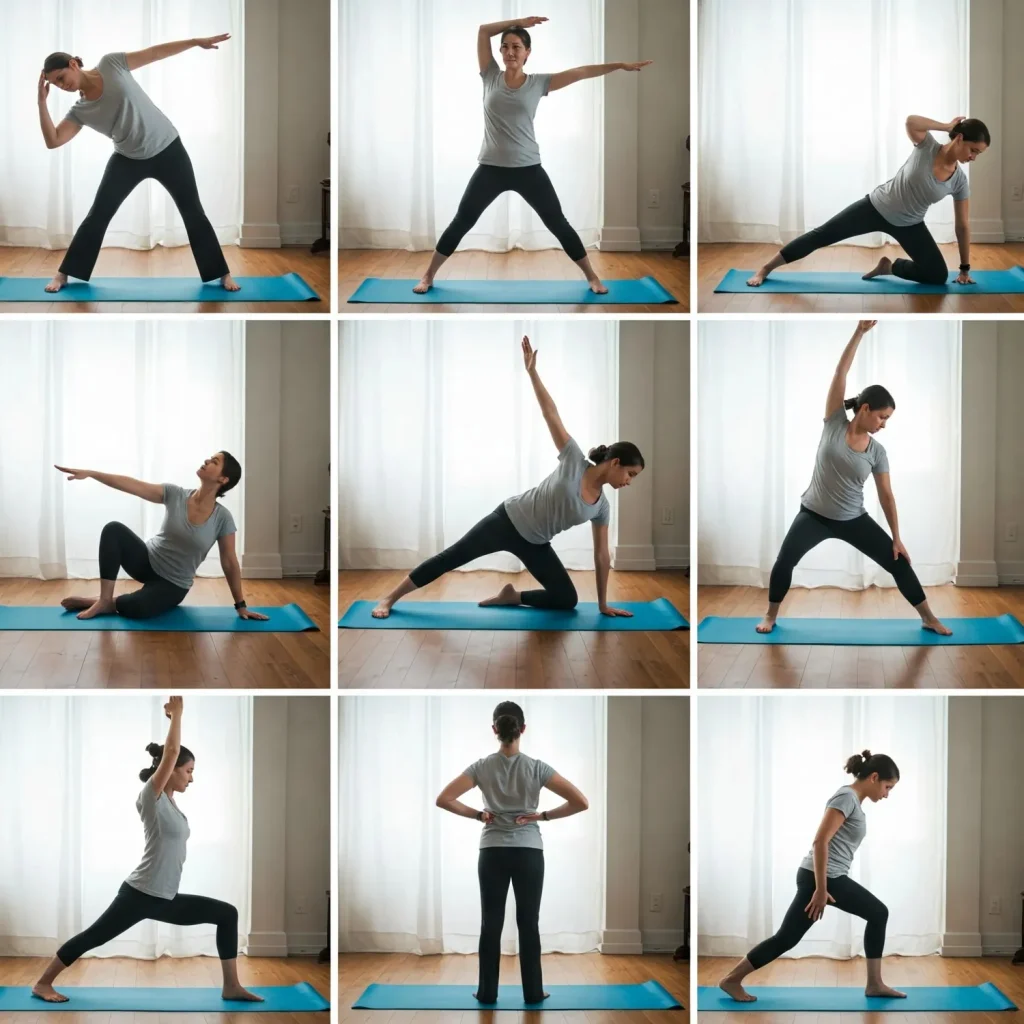
Key Takeaways
- Gentle wrist stretches reduce morning stiffness and improve mobility.
- Proper technique ensures safe stretching and prevents injury.
- Consistent practice enhances wrist flexibility and joint health.
- Understanding personal limits is critical to avoid overexertion.
- Combining stretches with complementary therapies like heat can maximize benefits.
Why Morning Stiffness Occurs in RA
Rheumatoid arthritis is an autoimmune condition that causes inflammation in the synovial lining of joints, including the wrists. This inflammation leads to swelling, pain, and stiffness, which is often most pronounced in the morning due to prolonged inactivity during sleep. Known as the “gel phenomenon,” this stiffness can restrict movement and impact daily activities. Gentle morning stretches target this stiffness by promoting blood flow, reducing inflammation, and loosening tight joints, making them an essential part of RA management.
Preparing for Gentle Wrist Stretches
Before beginning any stretching routine, preparing the body is crucial to ensure safety and effectiveness. Proper preparation can enhance the benefits of wrist stretches and minimize the risk of strain.
Warm-Up Routine
- Hand Movements: Start with light finger and hand movements to stimulate circulation.
- Heat Therapy: Soak wrists in warm water or apply a heating pad for 5-10 minutes to relax muscles and joints.
- Gentle Massage: Lightly massage the wrists to reduce tension and prepare them for stretching.
- Deep Breathing: Practice slow, deep breaths to promote relaxation and focus during exercises.
Best Times to Stretch
- Post-Shower: Warm showers naturally loosen joints, making it an ideal time to stretch.
- After Initial Stiffness Subsides: Wait until the most intense stiffness begins to ease.
- Before Medication: Stretching before taking RA medications can help gauge true joint mobility.
- Comfortable Moments: Choose a time when you feel physically and mentally ready to stretch.
Essential Wrist Stretch Techniques for RA
The following wrist stretches are designed to be gentle yet effective, focusing on improving mobility without causing strain. Always consult a healthcare provider before starting a new exercise routine, especially during RA flare-ups.
1. Gentle Wrist Flexion and Extension
This stretch targets the wrist’s range of motion, helping to alleviate stiffness and improve flexibility.
Proper Form:
- Sit comfortably with your forearm resting on a table, palm facing down.
- Gently bend your wrist forward (flexion) until you feel a mild stretch.
- Hold for 5-8 seconds, keeping the movement smooth.
- Slowly bend your wrist backward (extension) and hold for 5-8 seconds.
- Repeat 5 times for each wrist.
Safety Tips:
- Avoid jerky or forced movements.
- Stop immediately if you feel pain or discomfort.
- Breathe deeply to maintain relaxation.
- Keep your elbow relaxed, not locked.
2. Wrist Circles
Wrist circles promote joint mobility and reduce tension through controlled, circular motions.
Proper Form:
- Extend your arm forward with your hand relaxed.
- Make small, gentle circles with your wrist, keeping movements smooth.
- Perform 5 circles clockwise, then 5 counterclockwise.
- Repeat for the other wrist.
Safety Tips:
- Keep circles small to avoid overextension.
- Maintain a steady, controlled pace.
- Stop if you feel resistance or discomfort.
- Focus on smooth, fluid motions rather than speed.
3. Prayer Position Stretch
This stretch enhances wrist flexibility by gently pressing the hands together, mimicking a prayer gesture.
Proper Form:
- Place your palms together in a prayer position at chest level.
- Keep your elbows at shoulder height to maintain alignment.
- Gently press your palms together, feeling a stretch in your wrists.
- Hold for 10 seconds, then release slowly.
- Repeat 3-5 times.
Safety Tips:
- Avoid forcing the stretch beyond your comfort zone.
- Keep shoulders relaxed to prevent tension buildup.
- Maintain proper posture throughout.
- Stop if you experience discomfort or strain.
Modifying Stretches for RA Variability
Rheumatoid arthritis symptoms vary day to day, requiring adjustments to your stretching routine based on your condition.
During RA Flare-Ups
- Reduce Intensity: Use lighter movements to avoid aggravating inflamed joints.
- Shorten Duration: Limit stretches to 3-5 seconds per hold.
- Explore Alternatives: Consider passive range-of-motion exercises guided by a physical therapist.
- Consult a Professional: Work with a healthcare provider to tailor exercises during flare-ups.
For Severe Morning Stiffness
- Start Small: Begin with shorter, 5-minute sessions to avoid fatigue.
- Incorporate Heat: Apply a warm compress before stretching to loosen joints.
- Water-Based Stretches: Perform exercises in warm water for added support and reduced joint stress.
- Medical Guidance: Seek advice from a rheumatologist for personalized recommendations.
Common Mistakes to Avoid
To maximize the benefits of wrist stretches and prevent injury, steer clear of these common pitfalls:
Overstretching
- Avoid pushing your wrist beyond its natural range of motion.
- Refrain from bouncing or jerking movements, which can cause strain.
- Don’t hold stretches for too long; stick to recommended durations.
Poor Form
- Keep elbows relaxed, not locked, to avoid unnecessary pressure.
- Avoid sudden or rapid movements that could stress joints.
- Pay attention to pain signals and stop if discomfort arises.
Timing Mistakes
- Don’t stretch during severe RA flare-ups, as it may worsen symptoms.
- Avoid stretching cold joints; always warm up first.
- Take your time with each exercise to ensure proper form and effectiveness.
Complementary Strategies for RA Management
In addition to wrist stretches, incorporating complementary practices can further alleviate morning stiffness and improve joint health.
Heat and Cold Therapy
- Heat: Apply a warm towel or heating pad to wrists for 10-15 minutes before stretching to enhance flexibility.
- Cold: Use ice packs post-stretching if swelling occurs, applying for 10 minutes to reduce inflammation.
Physical Therapy
Working with a physical therapist can provide personalized guidance, ensuring stretches are tailored to your RA severity and wrist condition.
Lifestyle Adjustments
- Diet: Incorporate anti-inflammatory foods like fatty fish, nuts, and leafy greens to support joint health.
- Sleep: Maintain a consistent sleep schedule to minimize morning stiffness.
- Stress Management: Practice mindfulness or yoga to reduce stress, which can exacerbate RA symptoms.
Frequently Asked Questions
How often should I perform these wrist stretches?
Aim for daily practice, ideally in the morning, to address stiffness. Adjust frequency during flare-ups, reducing to every other day if needed.
What should I do if stretching causes pain?
Stop immediately. Apply ice if swelling occurs, rest the wrist, and consult a healthcare provider if pain persists beyond a day.
Can these stretches worsen my RA?
When done gently and correctly, these stretches are safe and beneficial. Stop if you notice increased pain or swelling and seek medical advice.
How long should each stretch be held?
Start with 5-8 seconds per stretch, gradually increasing to 10-15 seconds if comfortable. Never hold a stretch that causes pain.
Can I combine these stretches with other exercises?
Yes, pair wrist stretches with gentle hand or shoulder exercises, but consult a physical therapist to ensure compatibility with your RA condition.
Conclusion
Gentle wrist stretches are a powerful tool for managing morning stiffness in rheumatoid arthritis. By incorporating these exercises into your daily routine, you can improve wrist mobility, reduce discomfort, and enhance your quality of life. Be consistent, listen to your body, and pair stretches with complementary strategies like heat therapy or a balanced diet for optimal results. Start today by trying these safe, effective stretches and share your progress in the comments below. For more RA management tips, explore our guides on hand stretches and daily stretching schedules.