Introduction
Morning stiffness and shoulder pain are hallmark symptoms for individuals living with rheumatoid arthritis (RA). These symptoms can significantly hinder daily activities, making it challenging to start the day comfortably. Gentle shoulder stretches, when performed correctly, offer a practical and effective way to alleviate morning pain, improve mobility, and enhance overall quality of life. This comprehensive guide explores how targeted shoulder stretches can help manage RA symptoms, provides step-by-step instructions for safe stretching techniques, and offers practical tips for integrating these exercises into your daily routine. By incorporating these gentle movements, individuals with RA can experience reduced discomfort and improved joint function.
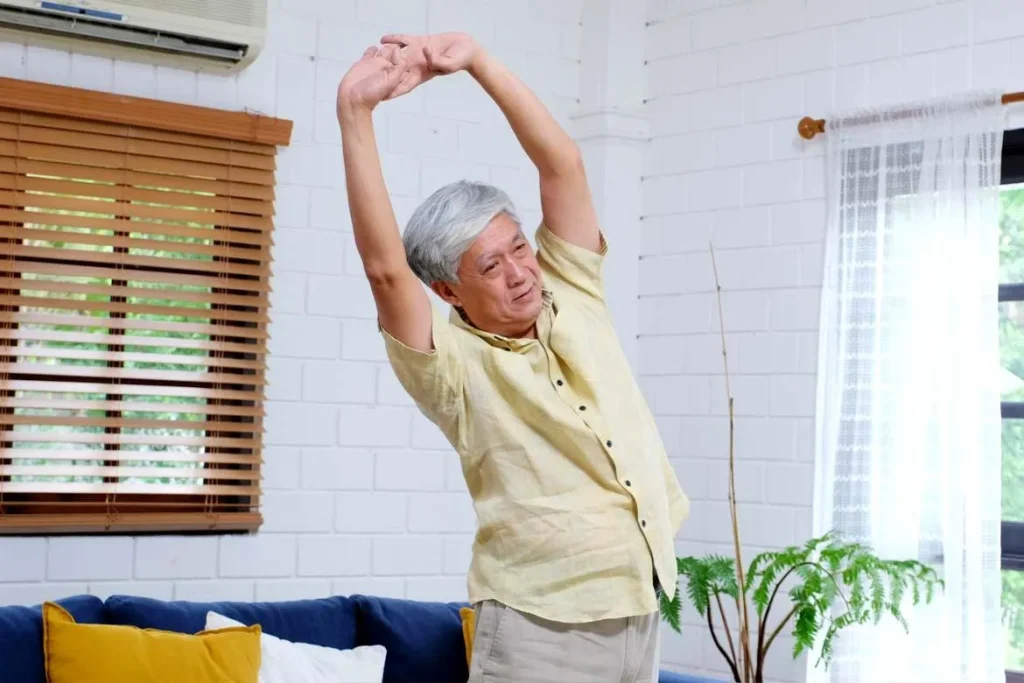
Key Takeaways:
- Gentle shoulder stretches reduce morning pain and stiffness.
- Proper technique ensures safety and effectiveness.
- Consistent practice enhances shoulder mobility and flexibility.
- Understanding personal limits prevents injury and overexertion.
- Combining stretches with other RA management strategies optimizes results.
Understanding Rheumatoid Arthritis and Shoulder Pain
Rheumatoid arthritis is an autoimmune condition that causes inflammation in the joints, including the shoulders, leading to pain, stiffness, and reduced range of motion. Morning stiffness, often lasting for hours, is a common complaint among RA patients, particularly affecting the shoulder joints and surrounding muscles. This stiffness results from inflammation and synovial fluid buildup during periods of inactivity, such as sleep. Gentle shoulder stretches help by increasing blood flow, loosening tight muscles, and reducing joint stiffness. For a deeper understanding of how RA affects the shoulders, visit our Shoulder & Neck Stretches for RA Morning Pain Relief section for additional resources.
Why Morning Stretches Are Essential
Morning stretches are particularly beneficial for RA patients because they counteract the prolonged immobility of sleep, which exacerbates stiffness. Gentle movements stimulate circulation, warm up the muscles, and lubricate the joints, making daily tasks like dressing or lifting easier. Regular stretching also promotes long-term joint flexibility, reduces the risk of injury, and supports overall RA management when combined with medication and lifestyle adjustments.
Essential Shoulder Stretch Techniques
Below are three effective shoulder stretches designed specifically for RA patients. Each technique emphasizes gentle movements, proper form, and safety to ensure maximum benefit without aggravating symptoms.
1. Gentle Shoulder Rolls
Shoulder rolls are a simple yet effective way to warm up the shoulder joints and surrounding muscles, promoting mobility without strain.
Proper Form:
- Sit or stand with good posture, keeping your spine straight.
- Relax your arms at your sides.
- Slowly roll your shoulders forward in a circular motion 5 times.
- Reverse the direction, rolling shoulders backward 5 times.
- Keep movements small, controlled, and smooth.
- Repeat the sequence 2–3 times as comfortable.
Safety Tips:
- Avoid large or forceful rotations to prevent strain.
- Stop immediately if you feel discomfort or pain.
- Maintain proper alignment by keeping your shoulders relaxed and away from your ears.
- Breathe steadily throughout the exercise.
2. Arm Circles
Arm circles improve shoulder flexibility and range of motion while gently engaging the surrounding muscles.
Proper Form:
- Stand with feet shoulder-width apart, maintaining good posture.
- Extend both arms out to the sides at shoulder height.
- Make small, controlled forward circles with your arms for 5 repetitions.
- Reverse the direction for 5 backward circles.
- Keep movements gentle and within a comfortable range.
Safety Tips:
- Keep circles small to avoid overextending the shoulder joint.
- Do not raise arms above shoulder height if it causes discomfort.
- Stop if you experience pain or fatigue.
- Focus on smooth, controlled motions rather than speed.
3. Shoulder Blade Squeeze
This stretch strengthens the upper back and improves posture, which can alleviate shoulder tension caused by RA.
Proper Form:
- Sit or stand with shoulders relaxed and spine straight.
- Gently squeeze your shoulder blades together as if trying to hold a pencil between them.
- Hold the squeeze for 5 seconds, then release slowly.
- Repeat 5 times, ensuring movements remain gentle.
- Breathe deeply throughout the exercise.
Safety Tips:
- Avoid forcing the squeeze beyond your comfort level.
- Stop if you feel pain or discomfort in the shoulders or back.
- Keep your neck relaxed to prevent strain.
- Maintain a steady breathing rhythm to enhance relaxation.
Preparing for Morning Stretches
Proper preparation ensures that shoulder stretches are both safe and effective. Follow these steps to set yourself up for success.
Warm-Up Routine
- Begin with light shoulder movements, such as gentle shrugs, to increase blood flow.
- Apply heat therapy (e.g., a warm towel or heating pad) for 10–15 minutes to loosen stiff joints.
- Take slow, deep breaths to relax the shoulder muscles and prepare for stretching.
- Perform movements in a calm, comfortable environment to enhance focus.
Best Time to Stretch
- After a warm shower, as the heat can reduce stiffness and make muscles more pliable.
- When morning stiffness begins to subside, typically 30–60 minutes after waking.
- Before taking RA medications, unless advised otherwise by your healthcare provider.
- When you feel most comfortable, as pain levels can vary day to day.
Common Mistakes to Avoid
To maximize the benefits of shoulder stretches and prevent injury, avoid these common pitfalls:
Overstretching
- Do not push your shoulder beyond its natural range of motion.
- Avoid bouncing or jerky movements, which can strain joints.
- Limit stretch duration to 5–15 seconds to prevent discomfort.
- Stop immediately if you feel pain or notice increased swelling.
Poor Form
- Keep shoulders relaxed and away from your ears during stretches.
- Avoid sudden or rapid movements that could aggravate joints.
- Breathe steadily instead of holding your breath.
- Maintain proper posture to prevent strain on the neck or back.
Timing Issues
- Avoid stretching during severe RA flare-ups, as it may worsen symptoms.
- Do not stretch cold muscles; always warm up first.
- Take your time with each exercise, avoiding rushed movements.
- Never skip the warm-up, as it prepares joints for safe stretching.
Modifying Exercises for RA Symptoms
RA symptoms vary in intensity, so stretches may need to be adjusted based on your condition.
During Flare-Ups
- Reduce the intensity and duration of stretches to avoid aggravating inflammation.
- Focus on gentler movements, such as passive range-of-motion exercises.
- Consider alternative activities, like deep breathing or light walking, if stretching is too painful.
- Consult your healthcare provider for personalized guidance.
For Severe Stiffness
- Start with shorter stretching sessions, such as 5 minutes, and gradually increase as tolerated.
- Use heat therapy before stretching to loosen tight joints.
- Try passive exercises, where you use your other hand to gently move the affected shoulder.
- Seek advice from a physical therapist or rheumatologist for tailored modifications.
Integrating Stretches into Your RA Management Plan
To maximize the benefits of shoulder stretches, incorporate them into a broader RA management strategy:
- Combine stretches with other gentle exercises, such as yoga or tai chi, to enhance flexibility.
- Follow a balanced diet rich in anti-inflammatory foods to support joint health.
- Work with your healthcare provider to optimize medication timing and dosages.
- Explore complementary therapies, such as massage or acupuncture, to further reduce pain.
Frequently Asked Questions
How often should I perform these shoulder stretches?
Aim for daily practice, ideally in the morning to combat stiffness. During flare-ups, reduce frequency or intensity based on your body’s signals.
What should I do if stretching causes pain?
Stop immediately. Apply ice if swelling occurs, rest the shoulder, and consult your healthcare provider if pain persists beyond a few hours.
Can these stretches worsen RA symptoms?
When done gently and correctly, these stretches are safe and beneficial. Stop if you experience increased pain, swelling, or discomfort, and seek medical advice.
How long should I hold each stretch?
Start with 5–8 seconds per stretch, gradually increasing to 10–15 seconds if comfortable. Never hold a stretch that causes pain.
Can I do these stretches during a flare-up?
During flare-ups, reduce intensity and duration or switch to passive movements. Always consult your healthcare provider for guidance during severe symptoms.
Conclusion
Gentle shoulder stretches are a powerful tool for managing morning pain and stiffness caused by rheumatoid arthritis. By incorporating these exercises into your daily routine, you can improve shoulder mobility, reduce discomfort, and enhance your overall quality of life. Be patient, listen to your body, and practice consistently to see long-term benefits. For additional RA management strategies, explore our resources on neck stretches and daily stretching schedules. Share your experiences or questions in the comments below to connect with others on their RA journey.
Start your path to better shoulder mobility today with these gentle, effective stretches!