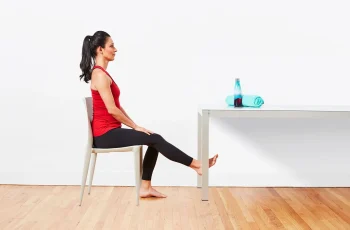
Introduction to Chair-Based Stretches for Rheumatoid Arthritis
For individuals managing severe rheumatoid arthritis (RA), morning stiffness and joint pain can make daily activities challenging. Incorporating gentle chair-based morning stretches into your routine can significantly improve mobility, reduce discomfort, and enhance overall well-being. These seated exercises are designed to be safe, low-impact, and adaptable, making them ideal for those with limited mobility or during RA flare-ups. This comprehensive guide outlines effective chair-based stretches to help you start your day with greater ease and comfort.
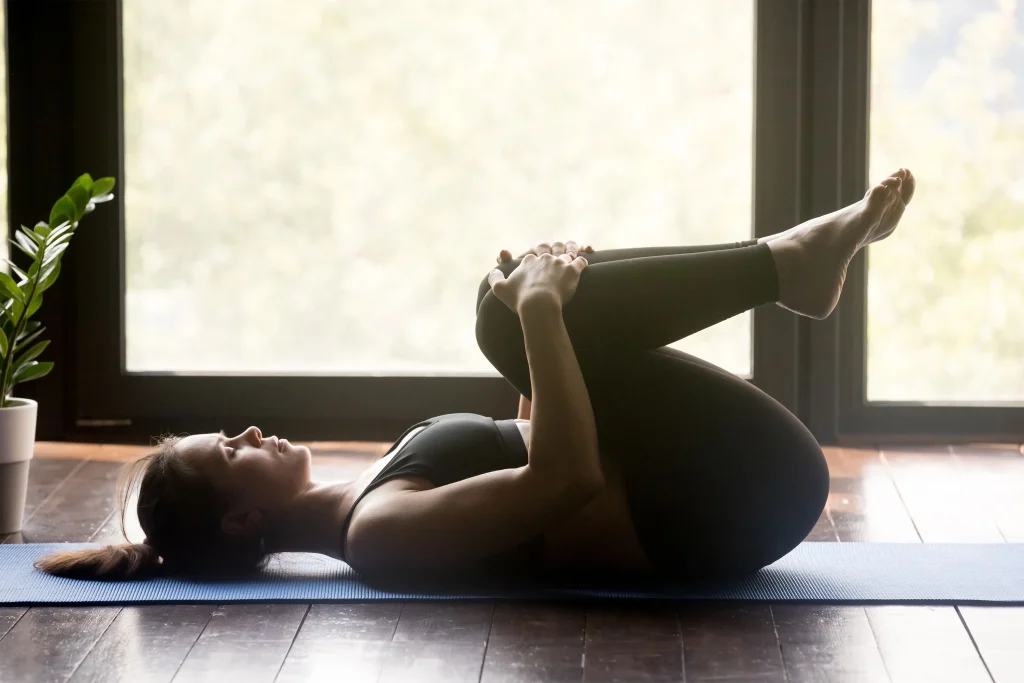
Key Benefits of Chair-Based Stretches
- Improved Mobility: Gentle movements enhance joint flexibility and range of motion.
- Reduced Stiffness: Morning stretches alleviate the rigidity common with RA.
- Customizable Exercises: Easily modified to suit individual needs and comfort levels.
- Safe and Accessible: Seated stretches minimize strain on joints, perfect for severe RA.
- Holistic Well-Being: Promotes relaxation and reduces stress, supporting RA management.
For more insights into RA-friendly exercises, explore our Chair-Based Gentle Morning Stretches for Severe RA category.
Understanding Chair-Based Stretches
Chair-based exercises are tailored for individuals with severe RA to ensure safety and effectiveness. Before starting, choose a sturdy chair with a supportive backrest and, if needed, armrests for added stability. Always consult your healthcare provider before beginning any exercise routine, especially if you experience frequent RA flare-ups.
Safety Guidelines for Seated Stretches
- Start Slowly: Begin with small movements to avoid overexertion.
- Listen to Your Body: Stop immediately if you feel pain or discomfort.
- Maintain Proper Form: Good posture ensures maximum benefit and safety.
- Breathe Deeply: Steady breathing promotes relaxation and oxygen flow.
- Use Support: Props like cushions or rolled towels can enhance comfort.
Essential Chair-Based Morning Stretches
Below are six key stretches designed to target different areas of the body, improving flexibility and reducing morning stiffness. Each stretch includes detailed instructions, safety tips, and adaptation strategies.
1. Shoulder Rolls for Upper Body Mobility
Purpose: Loosens shoulder joints and reduces upper body tension.
Proper Form:
- Sit upright in a sturdy chair with feet flat on the floor.
- Keep your arms relaxed at your sides or resting on your lap.
- Slowly roll your shoulders forward in a circular motion for 5 repetitions.
- Reverse the direction, rolling shoulders backward for 5 more repetitions.
- Keep movements small and controlled to avoid strain.
Safety Tips:
- Move within your comfort zone to prevent joint stress.
- Avoid hunching or tensing your neck during the stretch.
- Stop if you feel any pinching or sharp pain.
- Breathe deeply to enhance relaxation.
Adaptations: If shoulder pain is significant, reduce the range of motion or perform mini-rolls.
2. Wrist Circles for Hand and Arm Flexibility
Purpose: Improves wrist mobility and reduces stiffness in hands and forearms.
Proper Form:
- Sit with good posture, extending both arms forward at shoulder height.
- Gently rotate your wrists in a circular motion for 5 repetitions clockwise.
- Switch to counterclockwise for another 5 repetitions.
- Keep movements small and fluid to avoid overextension.
- Rest arms if fatigue sets in.
Safety Tips:
- Perform slow, deliberate movements to maintain control.
- Avoid forcing the wrists beyond their natural range.
- Focus on smooth motions to prevent joint strain.
- Pause if you experience discomfort or swelling.
Adaptations: Use one hand to support the other wrist if needed, or reduce repetitions during flare-ups.
3. Neck Rolls for Cervical Flexibility
Purpose: Eases neck stiffness and promotes gentle range of motion.
Proper Form:
- Sit upright with shoulders relaxed and hands resting on your lap.
- Gently tilt your head to one side, bringing your ear toward your shoulder.
- Slowly roll your head forward, then to the other side, completing a small circle.
- Repeat 3 times in one direction, then switch directions.
- Keep movements slow and controlled.
Safety Tips:
- Avoid forcing your neck into uncomfortable positions.
- Stop immediately if you feel pain or dizziness.
- Maintain steady breathing to stay relaxed.
- Use small motions to protect sensitive neck joints.
Adaptations: Limit the range of motion or perform side-to-side tilts instead of full rolls.
4. Seated Twists for Core and Back Mobility
Purpose: Enhances spinal flexibility and reduces lower back tension.
Proper Form:
- Sit with good posture, feet flat, and hands resting on your shoulders.
- Gently rotate your upper body to the right, keeping hips stable.
- Hold for 2-3 seconds, then return to center.
- Repeat on the left side for a total of 3 repetitions per side.
- Move slowly to maintain control.
Safety Tips:
- Keep twists gentle to avoid straining the spine.
- Stop if you feel discomfort in your back or hips.
- Use armrests for support if needed.
- Breathe deeply to enhance relaxation.
Adaptations: Reduce the twist angle or use a cushion for lower back support.
5. Ankle Pumps for Lower Body Flexibility
Purpose: Improves ankle and foot mobility, reducing swelling and stiffness.
Proper Form:
- Sit upright with feet flat or slightly extended forward.
- Point your toes downward, then flex them upward toward your shins.
- Repeat the pointing and flexing motion for 5 repetitions per foot.
- Keep movements small and controlled.
- Rest if fatigue or discomfort occurs.
Safety Tips:
- Move slowly to avoid straining ankle joints.
- Stop if you feel pain or cramping.
- Focus on smooth, controlled motions.
- Use a footrest for added comfort if needed.
Adaptations: Perform the stretch with one foot at a time or reduce repetitions.
6. Deep Breathing for Full-Body Relaxation
Purpose: Promotes relaxation and reduces overall tension.
Proper Form:
- Sit comfortably with shoulders relaxed and hands resting on your lap.
- Inhale deeply through your nose for a count of 4, feeling your chest expand.
- Exhale slowly through your mouth for a count of 6, releasing tension.
- Repeat 5-10 times, focusing on slow, steady breaths.
- Relax your shoulders and jaw during the exercise.
Safety Tips:
- Stay relaxed and avoid tensing muscles.
- Stop if you feel lightheaded or uncomfortable.
- Focus on deep, even breaths to maximize benefits.
- End the routine gently to maintain calm.
Adaptations: Shorten the breath count if deep breathing feels challenging.
Adaptation Strategies for Severe RA
Adapting stretches to your specific needs is crucial for safe and effective exercise. Below are strategies to tailor your routine.
General Modifications
- Reduce Intensity: Use smaller movements to minimize joint stress.
- Shorten Duration: Limit each stretch to 1-2 repetitions during flare-ups.
- Increase Rest: Take breaks between stretches to avoid fatigue.
- Use Props: Cushions, towels, or armrests can provide extra support.
- Progress Gradually: Slowly increase repetitions as mobility improves.
Joint Protection Tips
- Avoid overextending joints to prevent inflammation.
- Use proper chair support to maintain alignment.
- Stay within your comfortable range of motion.
- Monitor your body’s response and adjust as needed.
Progress Monitoring
Track your progress to stay motivated and identify improvements:
- Pain Levels: Note any changes in discomfort or swelling.
- Stiffness: Record reductions in morning rigidity.
- Mobility: Track improvements in joint flexibility.
- Energy Levels: Monitor how stretches impact your daily energy.
- Well-Being: Log mood and overall comfort.
Use a journal, mobile app, or video recordings to document your journey.
Implementation Guide for Your Routine
Getting Started
- Choose a Time: Perform stretches in the morning to combat stiffness.
- Set Up Your Space: Use a sturdy chair in a quiet, comfortable area.
- Start Small: Begin with 1-2 stretches and gradually add more.
- Track Progress: Record your experience to monitor improvements.
- Consult a Professional: Work with a physical therapist for personalized guidance.
Building a Consistent Routine
- Set Reminders: Use alarms or calendar alerts to stay consistent.
- Create a Schedule: Dedicate 10-15 minutes daily for stretching.
- Find Accountability: Share your goals with a friend or family member.
- Celebrate Progress: Acknowledge small victories to stay motivated.
- Stay Flexible: Adjust your routine during flare-ups or busy days.
Overcoming Common Challenges
- Morning Stiffness: Start with deep breathing to warm up joints.
- Time Constraints: Break stretches into shorter sessions if needed.
- Motivation Issues: Pair stretches with calming music or a podcast.
- Flare-Ups: Reduce intensity or skip stretches during severe symptoms.
- Progress Plateaus: Consult a therapist to modify your routine.
Frequently Asked Questions
How do I know if I’m stretching safely?
Listen to your body. Stretches should feel gentle and comfortable, not painful. Stop immediately if you experience discomfort.
What if I feel pain during stretching?
Cease the stretch, apply ice if swelling occurs, and rest. Consult your healthcare provider if pain persists.
Can I modify stretches for my needs?
Absolutely. Adjust duration, intensity, or range of motion based on your comfort and symptoms.
How often should I do these stretches?
Aim for daily stretches, ideally in the morning. Reduce frequency or intensity during flare-ups.
What equipment do I need?
A sturdy chair is sufficient. Optional props like cushions or towels can enhance comfort.
Conclusion
Incorporating gentle chair-based morning stretches into your daily routine can transform how you manage severe rheumatoid arthritis. These low-impact exercises improve mobility, reduce stiffness, and promote relaxation, all while prioritizing safety. By starting slowly, using proper form, and adapting to your needs, you can build a sustainable routine that enhances joint health and overall well-being.
Explore additional RA-friendly exercises in our Chair-Based Gentle Morning Stretches for Severe RA category, and consider integrating these stretches with other RA management strategies, such as a balanced diet and stress reduction techniques. Share your progress and experiences in the comments below, and start your journey to better joint health today!